
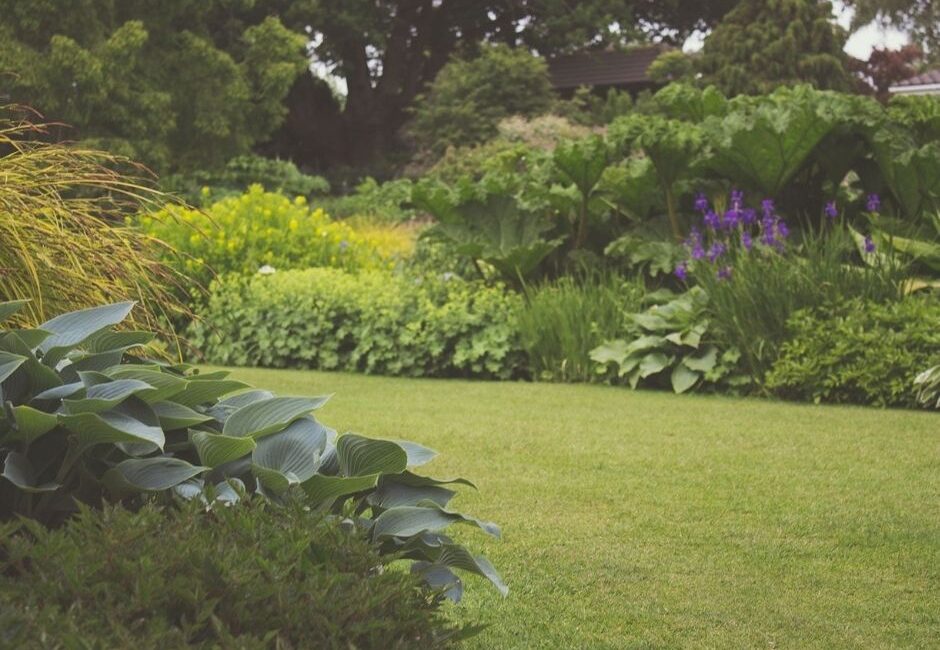
A tired lawn can make the whole garden look less attractive, with bare patches, weeds, moss, and thin grass all making your lawn look worn out.
Lawn renovation can give your grass a fresh start. With the right steps, you can improve the health, colour, and thickness of your lawn and create a greener garden. For homeowners in Colchester and across Essex, regular lawn care can help grass cope with changing weather, heavy use, and compacted soil.
What is lawn renovation?
Lawn renovation involves improving an existing lawn rather than starting again from scratch. It can include several treatments, such as scarifying, lawn aeration, overseeding, and feeding. The aim of lawn renovation is to remove problems that are stopping grass from growing well and give new grass the best chance to establish.
When considering lawn renovation, take a close look at your lawn. Is it thin? Does water sit on the surface? Are there bare patches or lots of moss? Identifying the main problems will help you choose the right lawn renovation steps.
Step 1: Mow the lawn
Start by mowing the grass to a suitable height. This makes it easier to see areas that need attention. Avoid cutting the lawn too short, as this can put stress on the grass. A sharp mower blade will also give a cleaner cut and help to reduce damage to the grass.
Step 2: Scarify the lawn
Over time, dead grass, moss, and other material can build up around the base of the grass. This layer is known as thatch. Lawn scarification removes some of this build-up and allows more light and air to reach the grass. It can make the lawn look rough at first, but this is an important part of the renovation process.
For lawns with heavy thatch or moss, professional scarification is the best option.
Step 3: Aerate compacted soil
Soil can become compacted through foot traffic, children playing, and regular garden use. Compacted soil makes it harder for air, water and nutrients to reach the roots.
Lawn aeration creates small holes in the soil, improving airflow and drainage. This gives grass roots more room to grow and can help create a stronger lawn. Aeration is particularly useful when your lawn feels hard underfoot or water tends to sit on the surface.
Step 4: Overseed thin and bare areas
If your lawn has thin areas or bare patches, lawn overseeding can help to fill them in. Grass seed is spread across the existing lawn, allowing new grass to grow alongside the older plants. Good seed-to-soil contact is important, so preparing the lawn before overseeding can improve the results.
Choose a grass seed suitable for your garden and local conditions and keep the area watered while the new grass becomes established.
Step 5: Feed your lawn
After renovation, your grass needs the right nutrients to grow strongly. A suitable lawn fertiliser can provide nutrients that support healthy roots and greener growth. Avoid using too much fertiliser. Following the product instructions or getting advice from a professional can help prevent damage.
Step 6: Keep up with lawn care
Lawn renovation is not a one-off fix. Regular mowing, feeding, watering and weed control can help maintain the results. Try to avoid cutting off too much grass at once and keep mower blades sharp. During dry periods, water deeply when needed rather than giving the lawn a small amount every day.
If your lawn continues to struggle, Tree & Lawn Company’s professional lawn care in Colchester can help to identify the cause and create a suitable treatment plan. Contact us to find out more.
Lawn renovation FAQs
How often should you renovate a lawn?
Most lawns don’t need a full renovation every year. However, lawn aeration, overseeding, and scarification may be needed as part of regular lawn care, depending on the condition of your grass.
What is the best time for lawn renovation?
Early autumn is a good time for lawn renovation in Colchester. Cooler temperatures, regular rainfall, and warm soil create good conditions for grass seed to establish.
Can lawn renovation fix a patchy lawn?
Yes. Lawn renovation can help improve a patchy lawn by removing thatch, relieving compacted soil, and adding new grass seed. The best treatment depends on why the lawn has become thin or damaged.