
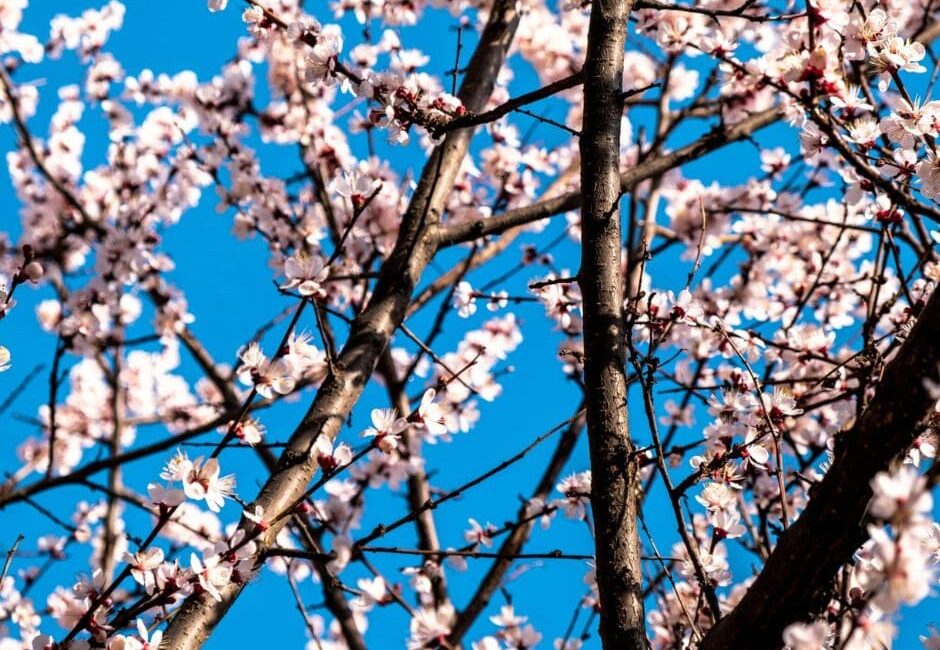
April is a critical month for maintaining the health of trees on commercial properties. As trees emerge from winter dormancy and weather conditions improve, it is the ideal time to inspect, prune, and treat your green spaces before issues arise.
As an Arboricultural Association accredited company, with a team led by a tree surgeon who holds the distinguished Lantra Professional Tree Inspector Award, we are uniquely positioned to support you with expert inspections and bespoke treatment plans.
At this time of year, we recommend the following:
Tree maintenance activities
Detailed tree inspections
Conducting thorough inspections allows us to detect early signs of stress, damage, or disease -whether stemming from fungal infections, pest infestations, or physical damage. Early detection is critical to avoid costly repairs or safety hazards later in the year. Our lead tree surgeon provides detailed inspections and official reports, which will help keep your trees in optimal condition.
Pruning and clean-up
With trees resuming active growth, now is the time to prune away dead or damaged branches resulting from harsh winter conditions. Proper pruning not only encourages robust development but also reduces the risk of disease by removing compromised tissue. Our precision pruning services adhere to industry best practices, ensuring the long-term vitality of your trees.
Wound management
We assess any damage incurred during winter. While routine wound dressing is generally not recommended, significant injuries may require professional treatment to minimise infection risks. Our experienced team is on hand to advise and implement effective wound management strategies where needed.
Soil and root zone evaluation
April’s wetter conditions can sometimes mask issues like soil compaction or poor drainage. Ensuring that the root zones are in good condition is essential for supporting healthy growth. We offer comprehensive evaluations to identify and address any underlying problems.
Pest and disease inspections
Ash Dieback (Hymenoscyphus fraxineus)
- Affected species: Primarily ash trees but also elms.
- Impact: This fungal disease can lead to crown thinning, wilting, and bark lesions, eventually causing severe dieback. While infection may occur in early spring, classic symptoms typically become visible only once the trees have fully leafed out, so from late spring (May to June) onwards.
- Identification and prevention: Early monitoring is advisable, though a definitive diagnosis should await full leaf expansion. We carry out these inspections to ensure any emerging issues are promptly addressed with appropriate preventative measures.
Oak Processionary Moth
- Affected species: Mainly oak trees.
- Impact: The larvae of this moth, which become more active later in the season, can cause significant defoliation. Their hairs also pose a health risk to building occupants and maintenance staff.
- Identification and prevention: In early spring, we inspect oak trees for clusters of eggs on the bark or early larval activity. Preventative measures, such as physical barriers and targeted treatments, are implemented to control the population before outbreaks escalate.
Powdery Mildew
- Affected species: Various trees, particularly those with dense canopies.
- Impact: This fungal disease appears as white, powdery spots on leaves and young shoots, potentially weakening trees over time.
- Identification and prevention: Improving air circulation through proper pruning is key. For more severe cases, we apply professional fungicidal treatments to manage the issue effectively.
Scale insects and Aphids
- Affected species: A range of deciduous trees.
- Impact: These pests extract sap from new growth, which can result in stunted development and increased vulnerability to other diseases.
- Identification and prevention: Regular inspections for sticky residues or clusters of insects on new growth are essential. We offer targeted treatment options and integrated pest management solutions to keep infestations under control.
Best practices for prevention and treatment
Without doubt, the best way to prevent the spread of pests and diseases is to schedule periodic inspections throughout the season. This enables early detection of issues, reducing the likelihood of major repairs, safety concerns or the widespread destruction of trees.
Should the early signs of an infestation be spotted, there are a range of integrated pest management and disease treatment options available combining biological controls, physical barriers, and minimal chemical treatments, which are essential for managing pests and diseases, while preserving tree health and environmental quality.
However, not all trees are the same, which is why expert intervention is invaluable. Every tree species has its own set of vulnerabilities, so treatment strategies should be customised to address the specific needs of whichever trees you have on your property, whether they are ash, oak, or any other species.
Protecting your investment
Maintaining healthy trees is crucial for ensuring the safety and aesthetic appeal of your commercial property.
By following these spring maintenance practices – regular inspections, proper pruning, and vigilant pest and disease management – you can protect your investment and avoid costly issues.
For the highest standard of service and best in class knowledge and expertise, turn to the experts to help you maintain a secure, thriving, arboriculturally rich landscape.