
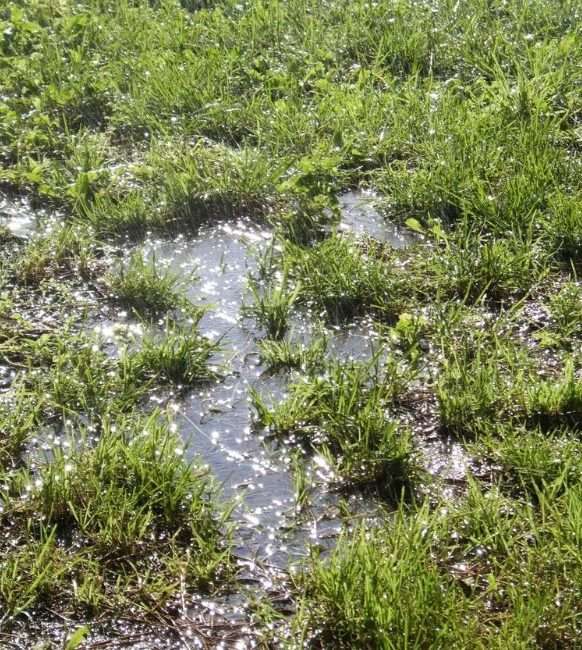
Who has a squelchy lawn?
If your lawn is difficult to walk on or becomes a lake after every downpour, you’ll struggle to maintain high-quality, healthy turf. Walking on the lawn exacerbates the formation of a glue-like, sticky layer of puddled soil near the surface, so try to avoid.
Plant roots that are not adapted to growing in damp conditions risk ‘drowning’. Healthy soil is full of air, which enables grass roots to breathe; however, when the soil becomes saturated with water, the air in the soil rises to the surface and escapes. Grass roots are affected because they require oxygen to survive. When heavy soil is compacted or has poor drainage, waterlogging is frequently experienced.
In addition to harming your turf, frequent flooding of your lawn following rain and a slow rate of water drainage can also promote moss, algae, and fungal growth. However, there are a few things you can do to improve this, particularly in the winter.

Causes of waterlogging
There are a variety of causes resulting in waterlogging, including:
- compacted soil, possibly as a result of heavy machinery (particularly following construction), as well as grassed areas used as walkways, play areas and for parking
- heavy clay soil that naturally drains poorly
- inadequate soil preparation prior to the creation of the lawn

Waterlogging effects
Patches of yellowing grass, surface water puddles, or an overabundance of mud are clear indicators of waterlogging. Repeated or prolonged waterlogging can lead to a number of problems:
- Bare patches
- Algae, lichens, and liverworts
- Moss
- Rush clumps/tussocks

Improving lawn drainage
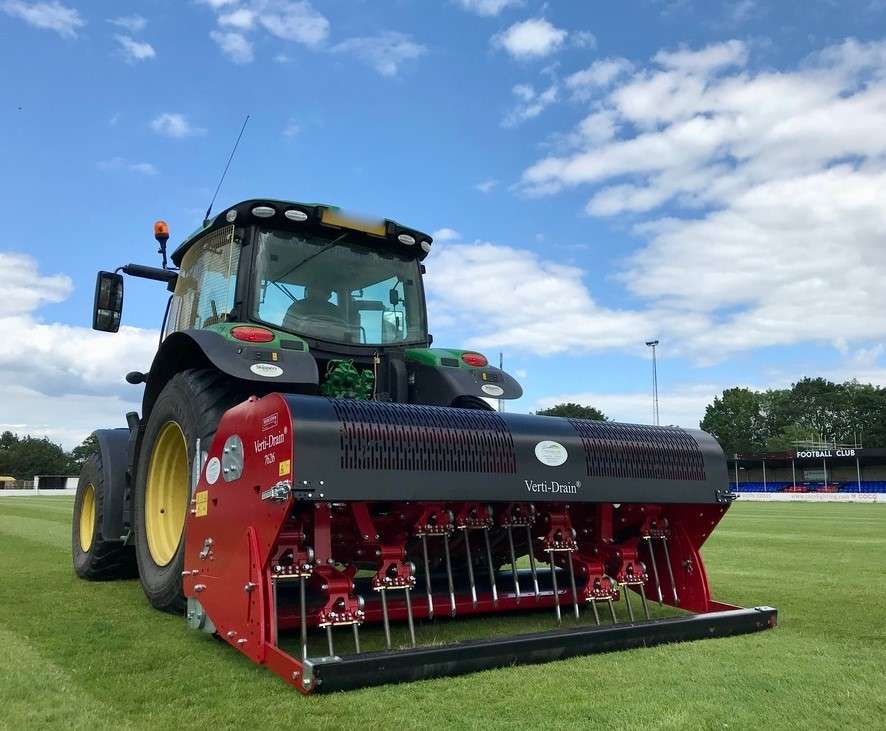
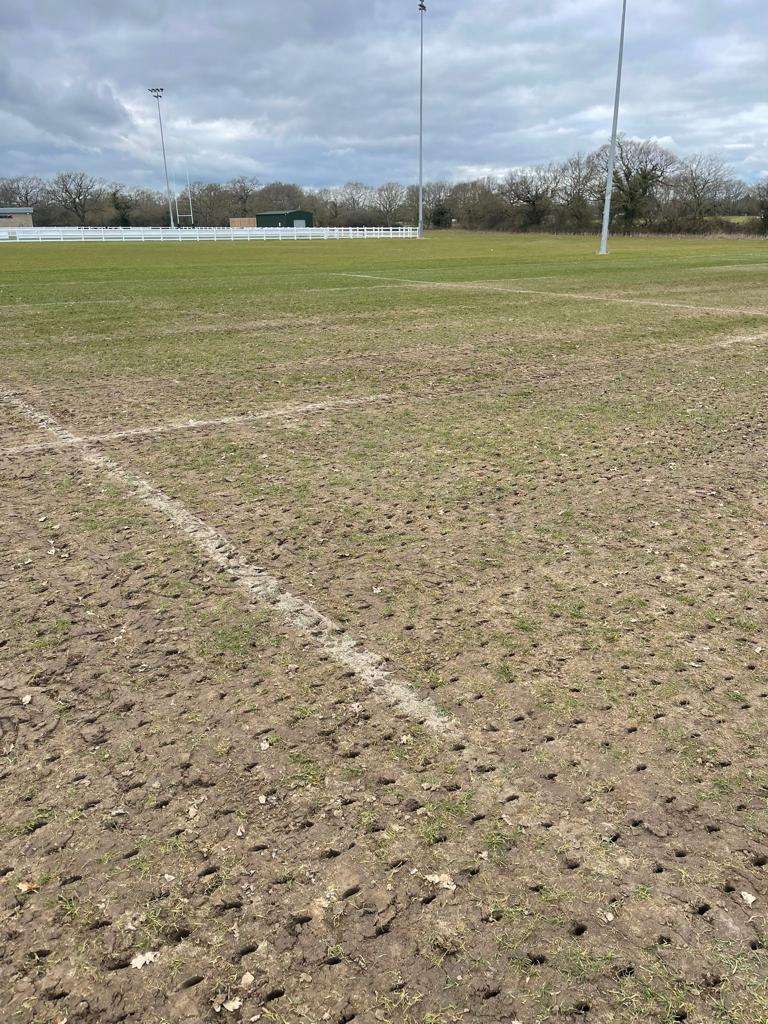
Ensure compacted soil is aerated, or spiked, so rainwater can drain away. This should be done every few years during autumn. Use a garden fork or an aeration tool for spiking or, for larger lawns or sports fields, you can use a powered aerator or a vertical drainage aerator.
Feeding your grass in the spring with a good lawn feed helps to create a bigger and more resilient root system. Plus using a lawn fertiliser that’s rich in phosphorus in the autumn will also promote root growth. Once drained, overseeding on the bare patches really helps the grass to become reestablished.
Dead patches of earth tend to encourage moss. Remove this by raking in the spring so that your grass can regrow unhindered.
Heavy soil containing a lot of clay often has drainage implications, so it is worth considering the installation of a drainage system.
Further information
For more information on the prevention and repairing of waterlogged lawns:
https://www.rhs.org.uk/lawns/waterlogging


Tree & Lawn are a domestic and commercial tree surgeon servicing Essex and Suffolk, including Ipswich, Southend-on-sea, and Brentwood.