
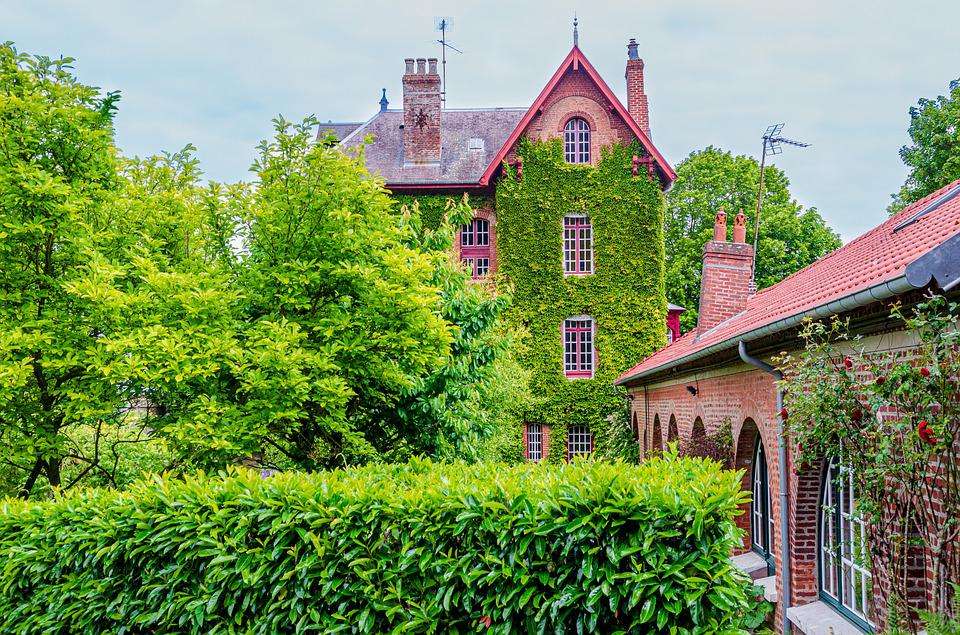
An Introduction To Ivy
Hedera helix, usually known as the common ivy, English ivy, European ivy, or just ivy, is a species of flowering plant of the ivy genus in the family Araliaceae. It is native to most of Europe and western Asia.
English ivy is a self-clinging climber with a woody stem that can swiftly cover fences, walls, and buildings. Ivies are extremely essential to nature because they provide year-round refuge for a variety of animals, including birds, small mammals, and invertebrates.
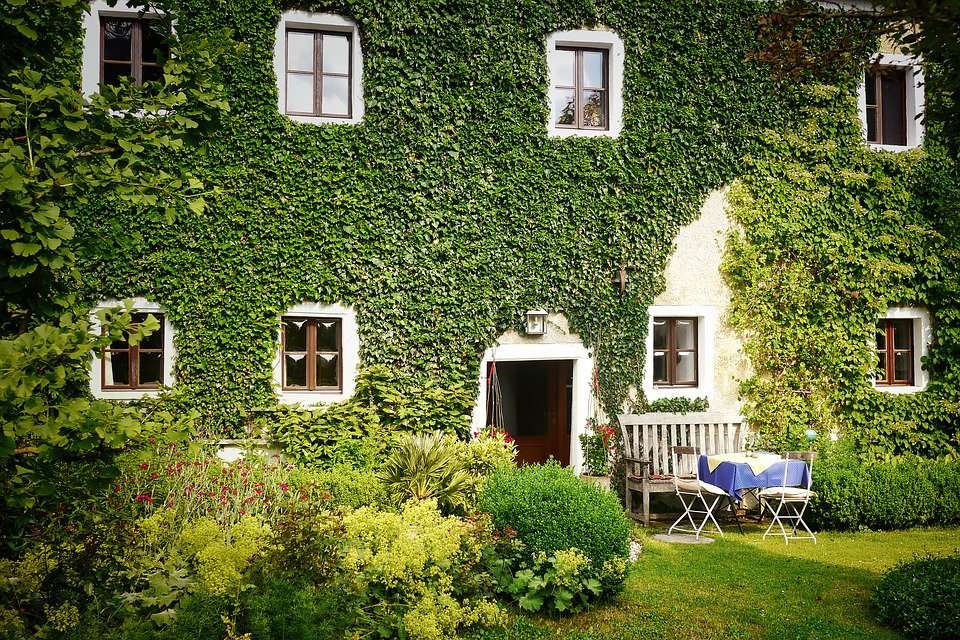
Where does ivy grow?
Where does ivy grow? Just about anywhere; in parks, domestic or commercial gardens and buildings, even wasteland. While ivy looks lovely when used in landscaping or climbing up a wall, several varieties of this hardy vine can also be cultivated indoors. These cultivars have been selected for their compact growth patterns, smaller leaves with tighter spacing, and distinctive colouration or leaf forms.
Ivy plants are exceptionally resilient, able to survive full sun, medium shade, or even full shade. This is due to their aggressive, and occasionally invasive, growth habits. Although, the colouring of variegated species will fade without sufficient light. They prefer to dry out between watering, which makes them somewhat drought resistant. Many ivies are evergreen, keeping their rich foliage all year round.
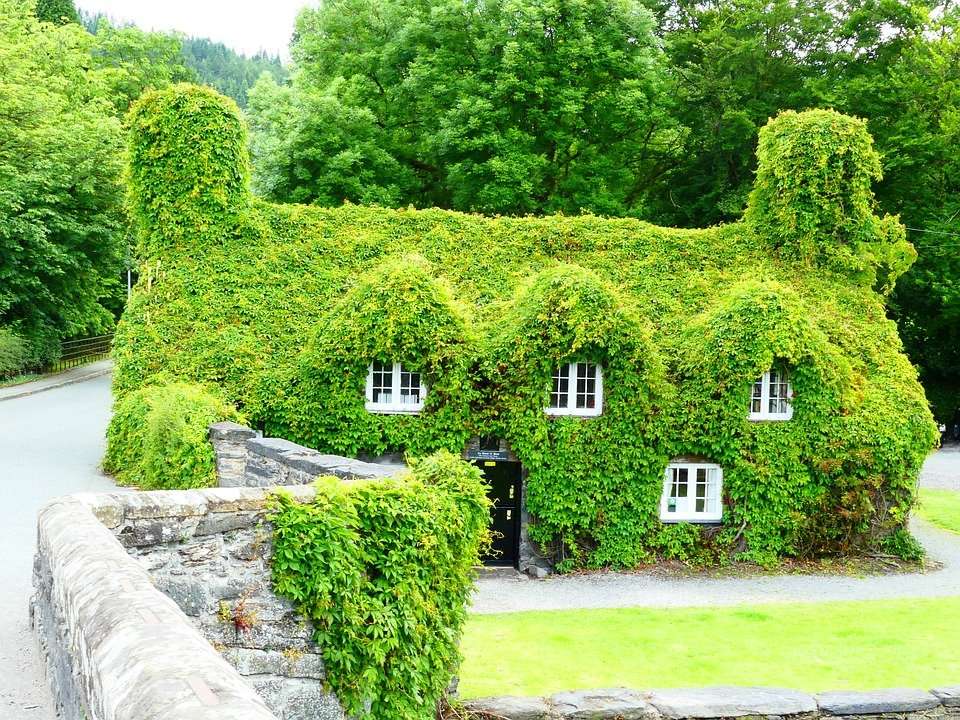
Ivy on buildings – delightful or damaging?
Ivy-covered structures can be appealing, and they’re especially effective for adding interest to a shady location. However, because ivy has the tendency to self-cling and grow quickly, it may be important to regulate it.
English ivy grows aerial roots along the stems to attach itself to supports. When the stems are taken away from the wall, the unattractive root ends are frequently left behind and can be difficult to remove.
It’s been reported that vegetation adhering to walls may cause dampness due to slower drying conditions after rain. On a south-west facing wall, when the rain is propelled by prevailing winds, this may be possible. Other sources, however, claim such plants, particularly evergreen ivies covering exposed north and east-facing walls, may have a modest drying impact on masonry. This will also give some insulation in the winter.
Its rich cover hides construction flaws and makes maintenance more difficult. Ivy can also attract intruders and vermin, like mice. Large climbers can be dangerous to structures. Older homes, those with shallow foundations, and those built on clay soils are more prone to such issues. When the brickwork is sound, the major challenge is keeping growth away from gutters and paint work.
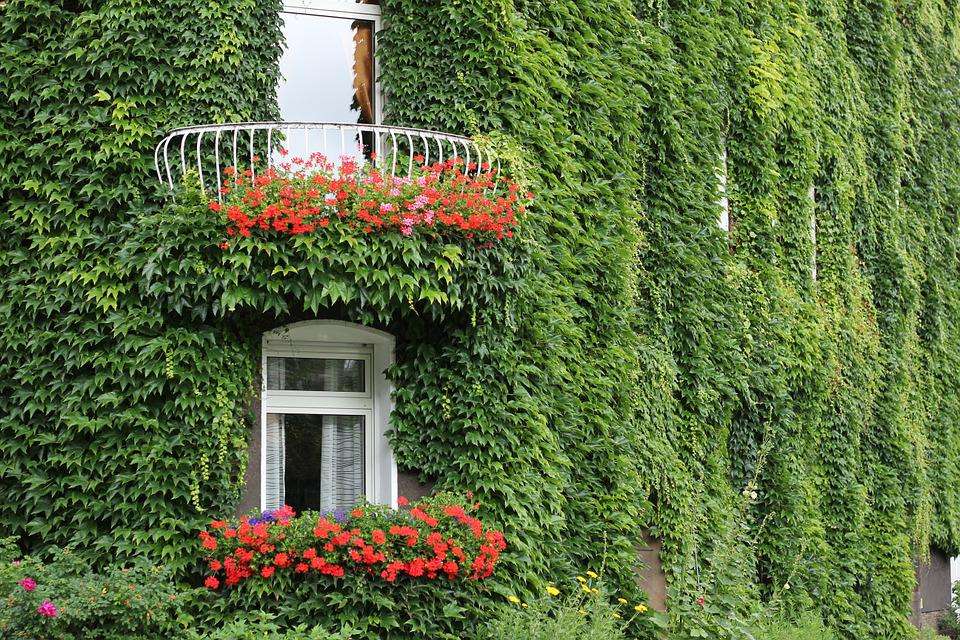
Ivy on trees, fencing and sheds
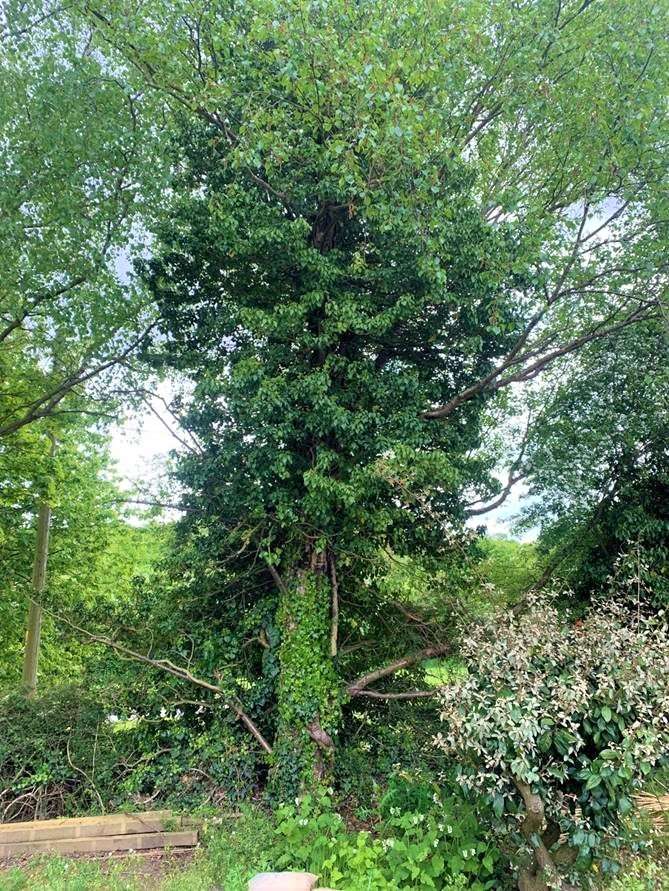
There can be a dark and damaging side to ivy. It can completely take over and suffocate other vegetation. Ivy can also destroy fencing and wooden structures, if left to grow wild. Much like the information for ivy on buildings, you will need to choose the variety carefully and expect to manage the growth regularly.


Alternatives to English Ivy
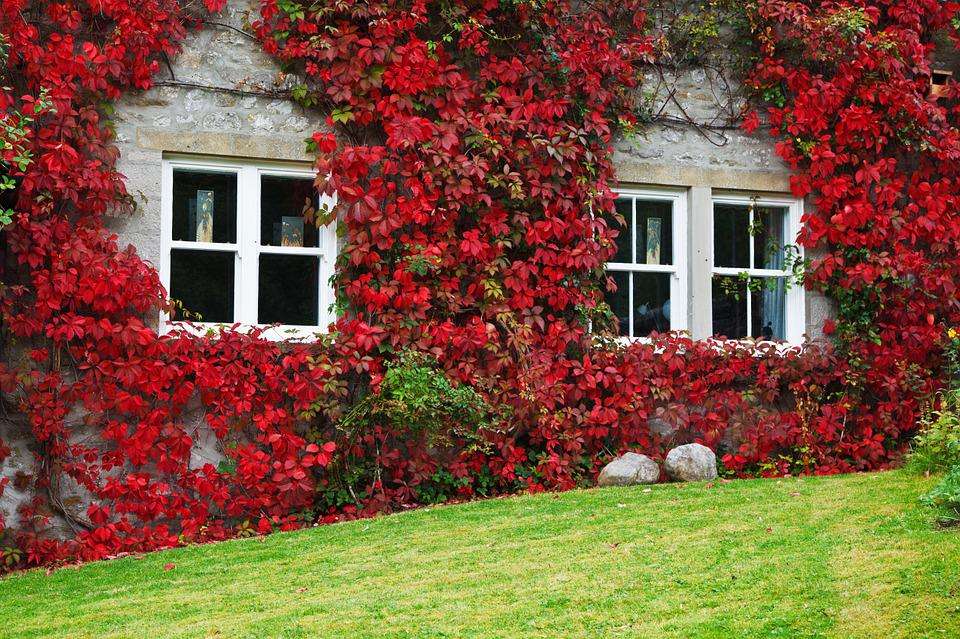
Self-clinging climbers, like Boston ivy and Virginia creeper, rarely destroy wall surfaces and the integrity of the stonework will not be compromised. Common or English ivy is supported by aerial roots, which can cause structural damage if they penetrate cracks or joints.
Further and helpful information:
https://www.rhs.org.uk/prevention-protection/ivy-on-buildings
https://www.fantasticgardeners.co.uk/tree-surgery/does-ivy-damage-walls/
https://archive.triblive.com/news/ivy-to-remove-or-not-to-remove-that-is-the-question/